Scholarship Rejection Letter
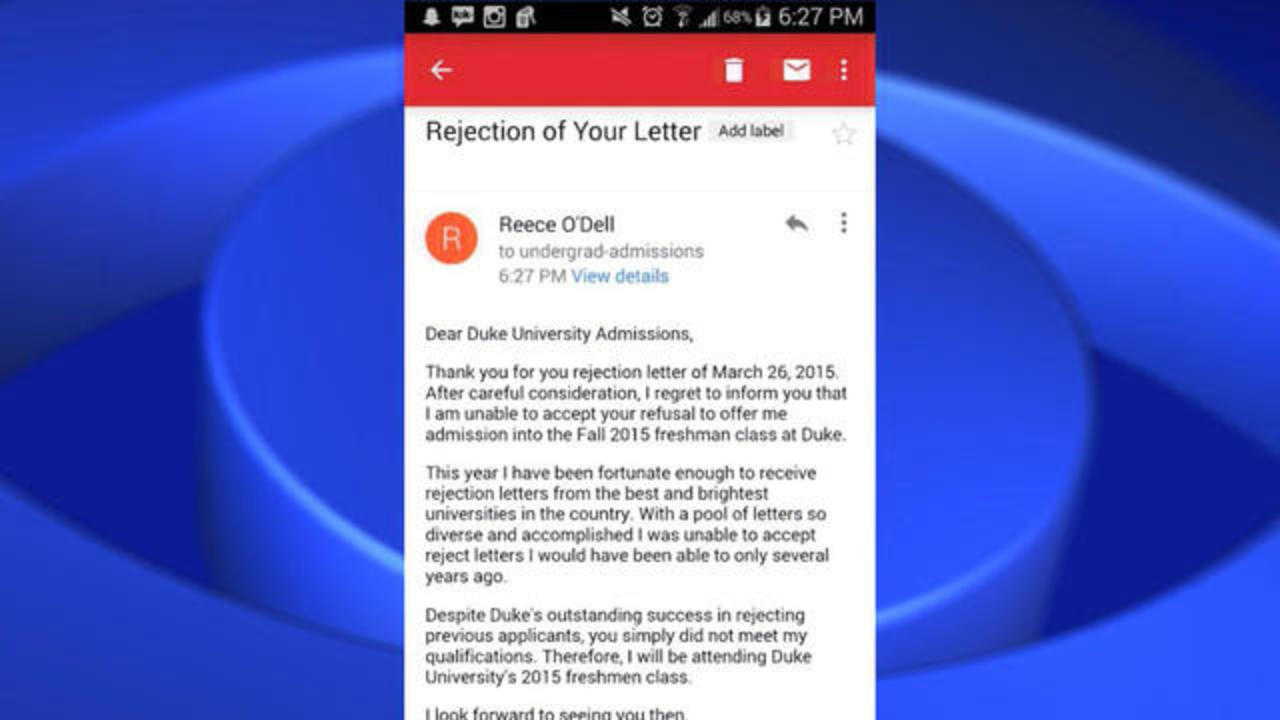
Scholarship Rejection Letter - Receiving a scholarship rejection letter can be a devastating experience, especially if you’ve already invested a lot of time and energy into the application process. After all, a scholarship is a great way to reduce your college expenses and give you a financial boost. When you’re rejected, it can feel like a huge setback. But don’t panic – there are still plenty of options available to you. Here’s what you need to know about scholarship rejection letters and how to move forward.
 Source: assets2.cbsnewsstatic.com
Understanding Scholarship Rejection Letters
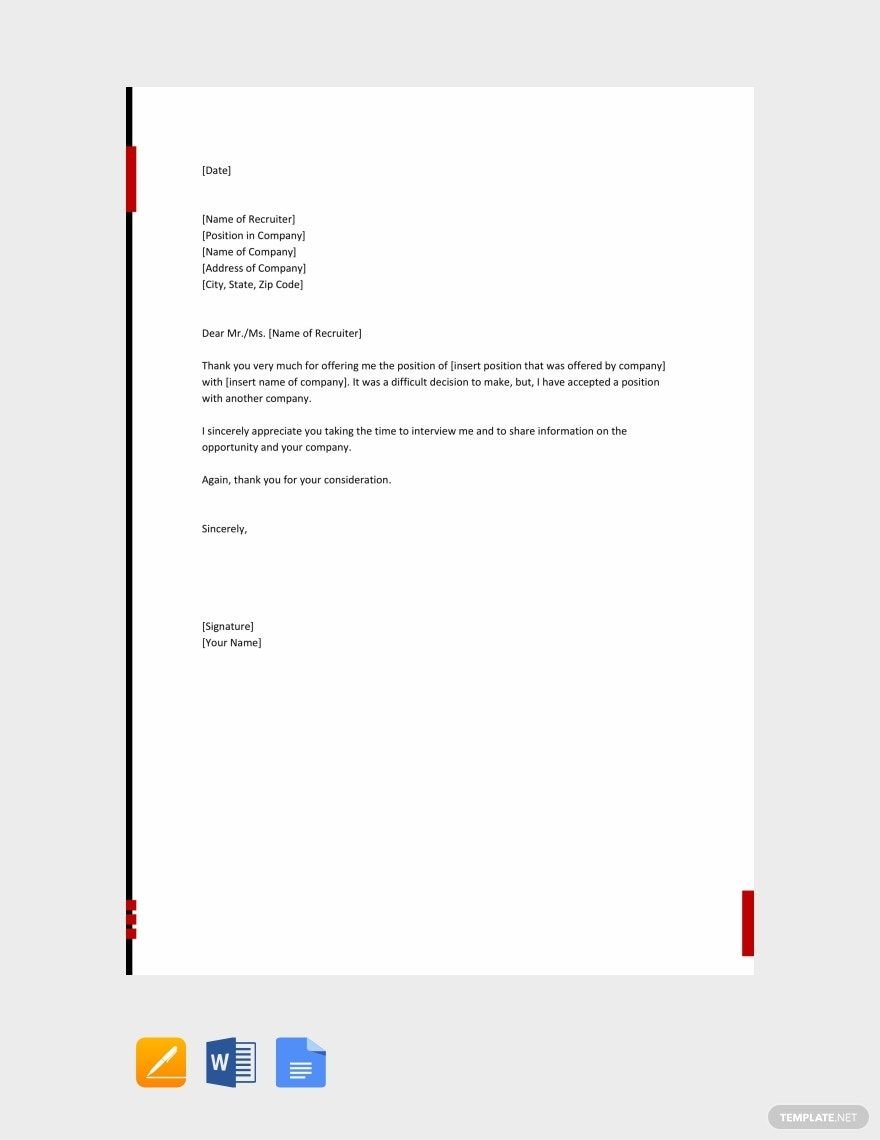
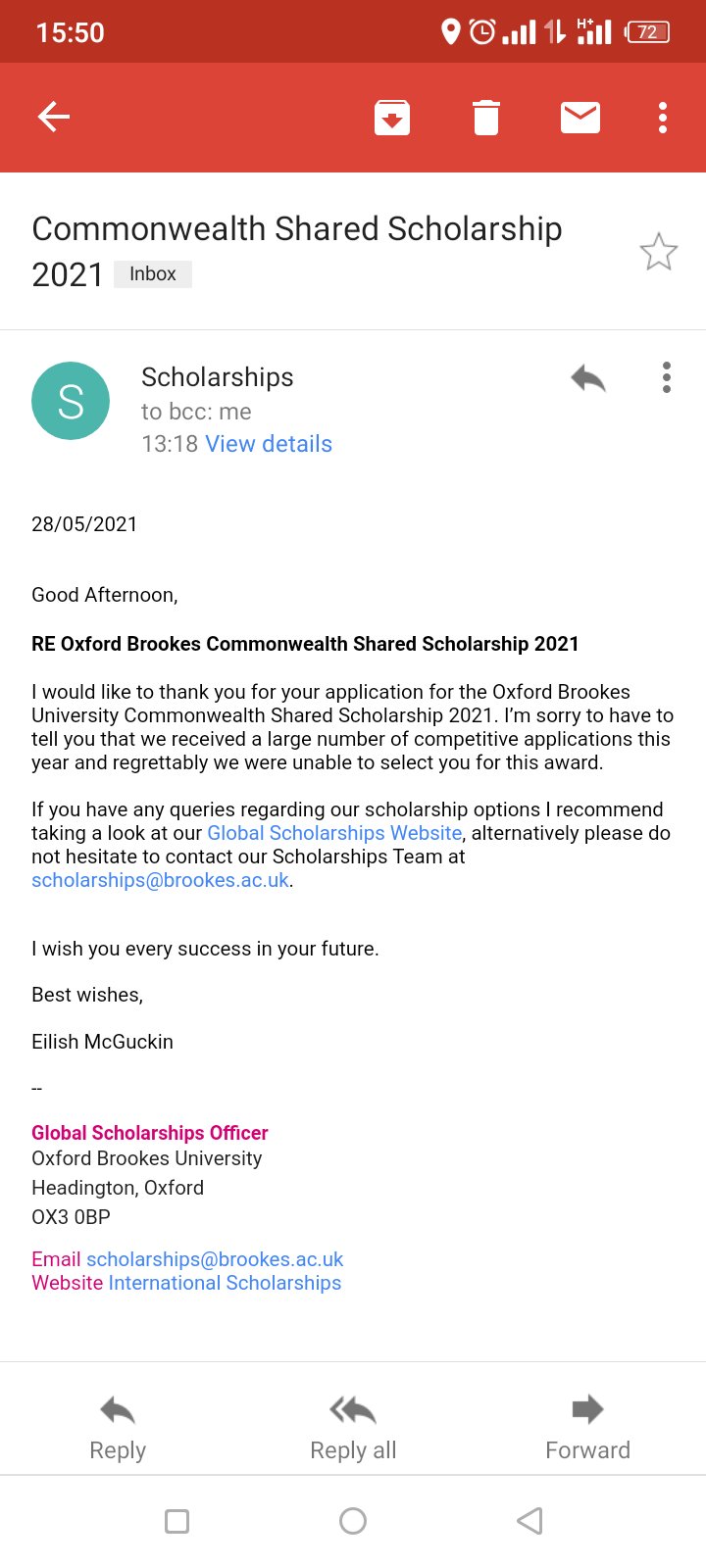
A scholarship rejection letter is a formal letter sent to applicants who did not receive a scholarship. It typically includes an explanation of why the applicant was not selected, as well as details about other scholarship opportunities. The letter should also include contact information for the scholarship committee, in case the applicant has any questions or concerns.

What to Do When You Receive a Rejection Letter
When you receive a scholarship rejection letter, the first thing you should do is read it carefully. This will help you understand why you weren’t selected and give you an opportunity to address any problems with your application. It’s also important to remember that a rejection letter doesn’t mean your college journey is over. There are still plenty of scholarships out there, and you can always apply for more.
How to Move Past Rejection
 Source: images.template.net
It’s natural to feel disappointed when you receive a scholarship rejection letter. After all, it can be discouraging to put so much effort into an application and not get the result you were hoping for. But don’t let the rejection stop you from pursuing your goals. Remember that there are still plenty of other scholarship opportunities out there, and you can always apply again.
How to Make Your Next Scholarship Application Better
If you’ve received a scholarship rejection letter, it’s important to take a step back and assess the situation. What parts of your application could you have done better? Are there any areas where you could have made a stronger impression? Once you’ve identified any weak points in your application, you can work to improve them for your next application.
 Source: pbs.twimg.com
Tips for Writing a Strong Scholarship Application
Writing a strong scholarship application requires more than just filling out the forms. Here are a few tips to help you make the most of your application:
What to Do if You Don’t Receive a Scholarship
If you don’t receive a scholarship after applying, don’t give up. There are plenty of other ways to pay for college, such as grants, loans, and scholarships from other organizations. You can also look into alternate payment plans, such as income-based repayment plans or tuition installment plans.
Conclusion
Receiving a scholarship rejection letter can be a difficult experience, but it doesn’t have to be the end of your college journey. Take some time to assess your application and identify any areas where you can improve. Then, use these tips to strengthen your next scholarship application and increase your chances of success.
scholarship award letter sample, letter of recommendation for scholarship pdf, sample scholarship award letter to student, free sample letters recommendation scholarships, scholarship award letter, letter for scholarship application, personal reference letter for scholarship, award rejection letter sample